

The Color of Cannabis Oil: What It Really Tells You
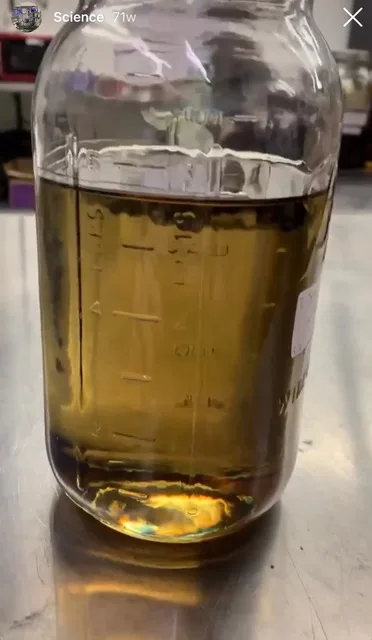
Color Is a Language
Walk into any dispensary and grab two vape cartridges off the shelf. One might be light gold. The other might be deep amber or even purple. Most consumers reach for the lighter oil assuming it’s cleaner or more refined. That instinct isn’t wrong — but it’s incomplete.
The color of well-crafted cured and live resin is one way to judge the quality of a cannabis extract. But just like wine, the full picture is more nuanced than light versus dark.
Think of It Like Wine
Red wines and white wines look completely different, but one isn’t inherently better than the other. The difference comes down to the grape — specifically its flavonoid content. Flavonoids are the color compounds that appear in plants, and they contribute to nuanced flavors and aromas that make each varietal distinct.
Cannabis works the same way. When someone says they can taste the purple in a Granddaddy Purp, they’re not imagining it. The anthocyanins — a type of flavonoid — that produce that deep purple color in the flower carry through into the extracted oil. The color you see in the cartridge is a direct reflection of what went into it.
What Determines Oil Color
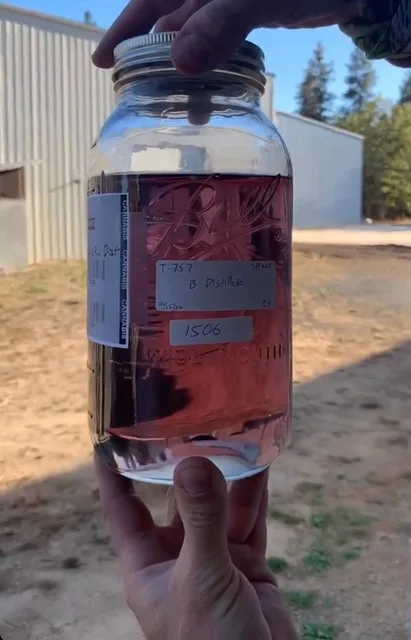
It comes down to three things: the genetics of the plant, the maturity of the trichomes at harvest, and the extraction process itself.
- Genetics and Flavonoids. Purple, pink, and orange strains produce oil with those same hues. A strain heavy in anthocyanins will yield a naturally tinted extract — no additives, no manipulation.
- Trichome Maturity. Less mature trichome heads tend to produce a lighter-colored extract. Fully mature heads carry more of the plant’s complete chemical profile, which can deepen the color and complexity.
- Extraction Quality. This is where it gets critical. A skilled extraction process captures the right color and flavor compounds for a true-to-strain result. A sloppy process produces dark, oxidized oil that tastes burnt regardless of what went in.
When Dark Oil Is a Red Flag
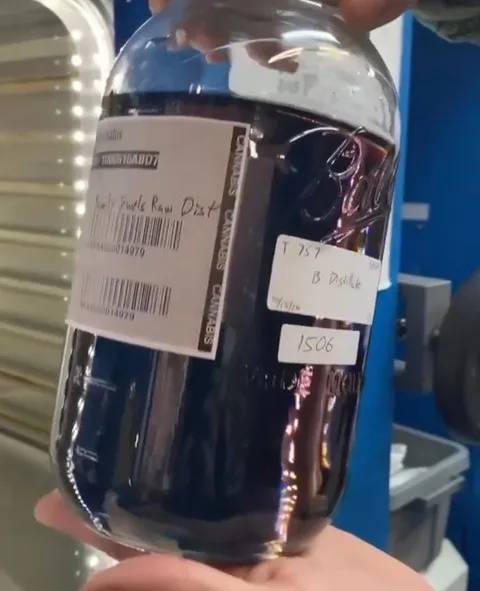
Here’s the truth most brands won’t tell you: dark cannabis oil is usually a sign of poor extraction practices. Overheated solvents, oxidized material, or old flower pushed through a system that prioritizes volume over quality. The result tastes burnt and harsh.
But not all dark oil is bad. Some strains — particularly deep purple genetics — naturally produce darker extracts that are rich, flavorful, and high in terpene content. The key is knowing the source.
The Real Quality Indicators
Color is one data point, not the whole picture. Pair it with smell and taste. High-quality cannabis extracts come in shades of gold, pink, purple, and orange — and they all smell like the plant they came from. If a cartridge is light-colored but has no nose, something was stripped out. If it’s dark and tastes like charcoal, something went wrong.
At Alive & Well, our cured resin and live resin cartridges preserve the natural color profile of each strain. What you see in the cart is what the plant gave us — nothing added, nothing taken away.
Find Alive & Well at a dispensary near you.