

Rogue Valley: Why Southern Oregon Grows the Best Cannabis on Earth
The Land Shapes the Plant
Wine has Burgundy. Coffee has Ethiopia. Cannabis has the Rogue Valley.
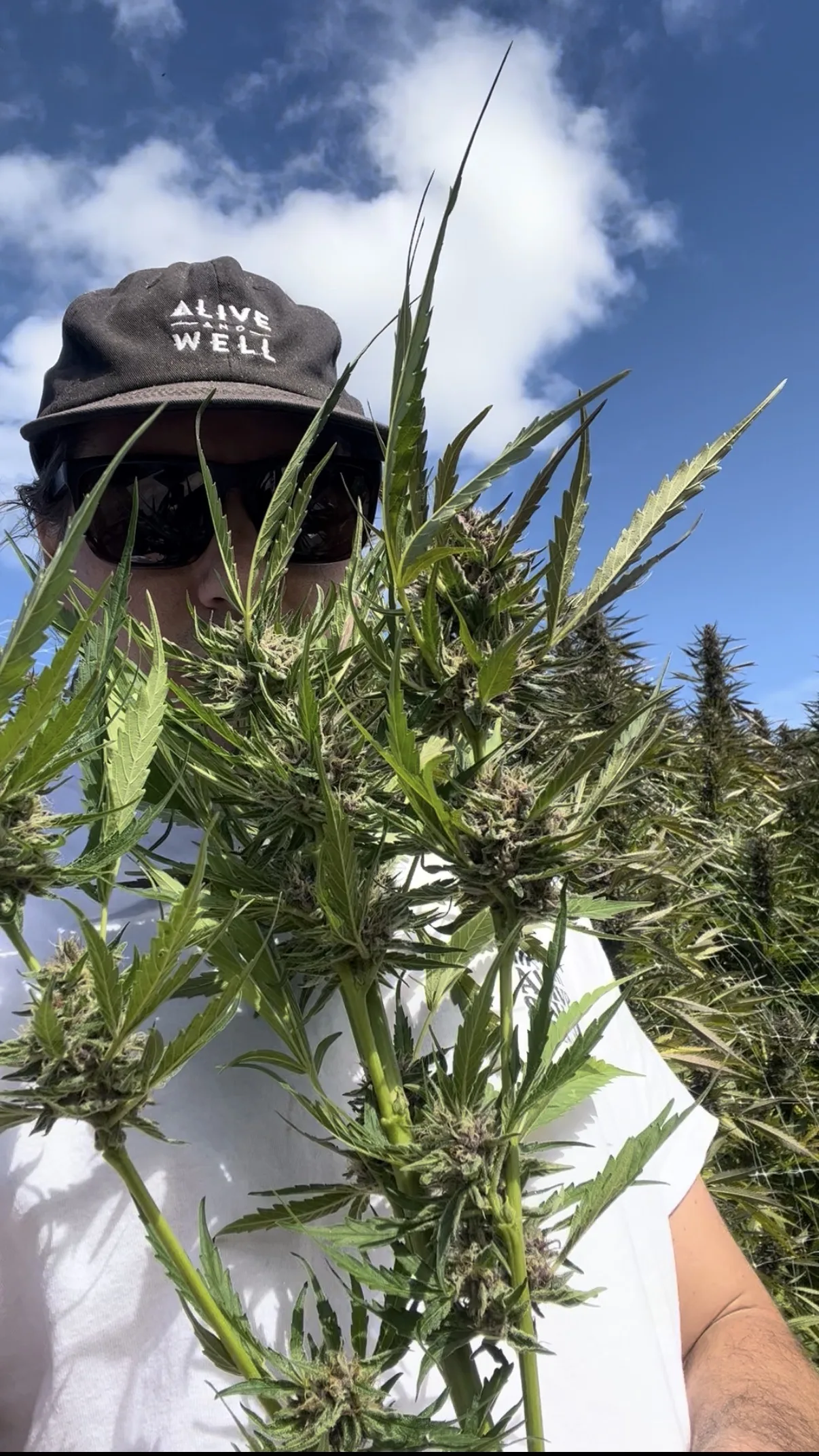
Southern Oregon’s cannabis reputation didn’t happen by accident. It was built over five decades by legacy growers who understood something fundamental: the best cannabis comes from the best land. The Rogue Valley, flanked by the Cascade Range to the east and the Siskiyou Mountains to the south and west, creates a growing environment that is nearly impossible to replicate anywhere else.
The concept is terroir. The French word that wine makers have used for centuries to describe how soil, climate, elevation, and microclimate shape the character of what grows in a specific place. Portland State University researchers studying cannabis in Southern Oregon identified at least six or seven distinct terroirs within the region alone. Each one produces flower with its own terpene fingerprint, its own cannabinoid expression, its own personality.
This is where Alive & Well sources flower. Not from a warehouse. From the land.
Mediterranean Climate, Mountain Protection
The Rogue Valley sits in one of the most favorable growing climates in North America. Hot-summer Mediterranean, the same classification that produces the world’s great wine regions. Warm, dry summers. Wet, mild winters. Nearly 200 sunny days per year.
But it’s the nights that make the difference.
Summer days regularly push into the 90s, while nights drop into the 50s. That 40-degree swing is critical for cannabis quality. Cool nights slow the plant’s metabolism, preserving volatile terpenes that would otherwise evaporate in sustained heat. The cold triggers anthocyanin production, the pigment responsible for deep purple coloration in strains like Purple Hindu Kush and Jager. It forces the plant to work harder, and harder-working plants produce more resin as a natural defense.
The Siskiyou Mountains act as a shield, blocking cooling marine winds from the Pacific and creating a rain shadow that keeps summers dry. The Applegate River and Rogue River deposit rich alluvial soil through the valley floor. Decomposed granite from the surrounding mountains creates well-draining earth that forces roots deep. This is the same soil composition that makes the Applegate Valley a federally recognized American Viticultural Area for wine.
Legacy Genetics: Jager and the Cave Junction Story
Every cannabis region has a signature strain. For Southern Oregon, it’s Jager.
The story goes like this: in the Illinois Valley around Cave Junction, about 15 miles north of the California border, a community of growers had been cultivating Purple Hindu Kush for years. The genetics arrived via seeds traced back to the Hindu Kush mountain range, the same Himalayan foothills that share similar climate and elevation characteristics with Southern Oregon. The strain found perfect expression in the Rogue Valley’s cool nights and long summers.
But there was a problem. So much Purple Hindu Kush was being grown that the market was saturated. Growers needed a rebrand. Legend has it the name “Jager” came from their favorite drink at their favorite bar in Cave Junction.
Jager became the definitive Southern Oregon cultivar. An indica-dominant hybrid with bold purple calyxes, bright orange pistils, and a terpene profile that speaks directly to the terroir that shaped it. Millerville Farms in Takilma became synonymous with the strain, selecting and refining the genetics since 2007. Today, the Jager lineage is part of the region’s DNA.
Purple Hindu Kush. Jager. The same genetics, shaped by the same land, renamed by the people who grew it. That’s how heritage works.
Roots in the Counterculture
Southern Oregon’s cannabis story starts in the late 1960s. Back-to-the-landers, mostly from the Bay Area, migrated north seeking off-grid, agrarian life. They settled in the Applegate Valley, Cave Junction, Williams, and the Illinois Valley. They built communes, grew their own food, and discovered that cannabis thrived in the same soil that grew everything else.
By the 1980s, the region had become one of the most productive cannabis-growing areas in the country. In 1988, Oregon rivaled California in total production. When the timber industry collapsed and lumber mills shut down across Josephine County, cannabis filled the economic vacuum. It wasn’t just a crop. It was the economic backbone of entire communities.
Oregon became the first state to decriminalize marijuana in 1973. Medical cannabis followed in 1998. When legalization came in 2014, many of the same families who had been growing for decades could finally do it in the open.
The Applegate Valley: Cannabis Terroir
The Applegate Valley deserves special attention. This sub-valley within the broader Rogue region is drained by the Applegate River, shielded by mountains, and sits at roughly 1,000 to 1,500 feet elevation. The soils are alluvial, deposited over millennia by the river, mixed with decomposed granite. Warm, dark, crumbly earth packed with organic matter.
The same terroir that produces full-bodied Bordeaux-style wines produces cannabis with dense terpene profiles and rich cannabinoid expression. Oregon is developing cannabis appellations modeled on wine’s AVA system, and the Rogue Appellation is already being used informally by growers who understand that place matters.
This isn’t marketing. It’s agriculture.
Sun-Grown, the Way It Should Be
The Rogue Valley’s sun-grown tradition isn’t a trend. It’s a philosophy. Direct sunlight produces a UV spectrum that no indoor lighting can replicate. Natural weathering, including rain, cold nights, and UV stress, triggers the plant to produce more cannabinoids and terpenes as a defense response. The result is flower with complexity and depth that controlled environments simply cannot match.
Jackson County has 299 licensed cannabis producers. Josephine County has 213. Together, they account for nearly a third of Oregon’s total licensed operations. The density isn’t an accident. The land draws growers because the land produces results.
Every Alive & Well cartridge that comes from Southern Oregon carries this heritage. Five decades of cultivation knowledge. Legacy genetics shaped by the terroir. Sun-grown flower from farms that prioritize flavor over yield.
The Rogue Valley didn’t become cannabis country. It always was.