

Snowmelt and Sun: How Oregon's Water Shapes Our Cannabis
Water Is the First Ingredient
Before the seed hits soil, before the sun does its work, there’s water. And in cannabis cultivation, not all water is equal.
Indoor grows use municipal water or reverse osmosis systems. Greenhouse operations pipe in filtered water through irrigation lines. These are controlled inputs, engineered for consistency. They work. But they don’t carry the mineral complexity of water that has traveled through volcanic rock for decades before reaching a plant’s roots.
In Southern Oregon’s Rogue Valley, the water that feeds our farms starts as snow on the Cascade peaks. It melts, filters through ancient volcanic geology, picks up trace minerals along the way, and arrives in the Rogue River watershed as some of the cleanest, most mineral-rich agricultural water in the Pacific Northwest.
This matters more than most people realize.
The Cascade Snowpack
The Cascade Range runs north-south along Oregon’s spine, with peaks reaching above 9,000 feet. Every winter, these mountains accumulate massive snowpack. As temperatures rise in spring, that snow melts gradually over months, feeding rivers, streams, and underground aquifers that sustain agriculture through the dry summer season.
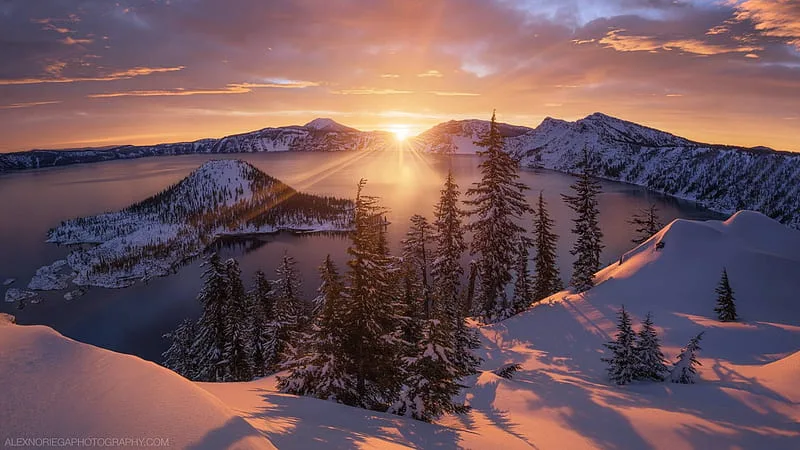
Crater Lake sits at the heart of this system. The deepest lake in North America, formed in the caldera of Mount Mazama, which erupted roughly 7,700 years ago. The lake itself is fed almost entirely by snowfall and rainfall, with no inlet streams. But the broader Mazama and Cascade volcanic system is the source of the snowmelt that eventually feeds into the upper Rogue River and its tributaries.
The Rogue River originates near Crater Lake at Boundary Springs, flowing 215 miles westward through the Rogue Valley before reaching the Pacific. Along the way, it collects snowmelt from dozens of Cascade tributaries. The Applegate River, which drains the valley where much of Southern Oregon’s cannabis is grown, joins the Rogue near Grants Pass.
This isn’t tap water. This is water that has been filtered through layers of volcanic basalt and pumice for years, sometimes decades, before surfacing. The result is naturally pure water with a mineral profile shaped by the geology itself.
Why Water Quality Matters for Cannabis
Cannabis is roughly 80% water by weight during its growing cycle. The quality of that water directly influences every aspect of the plant’s development.
Mineral content matters. Water that has traveled through volcanic rock carries dissolved calcium, magnesium, silica, and trace elements. These minerals support cell wall development, enzyme function, and terpene biosynthesis. Calcium strengthens cell structure. Magnesium is the central atom in chlorophyll. Silica helps the plant resist environmental stress and pest pressure. You can add these minerals artificially, but naturally mineralized water delivers them in ratios that synthetic solutions can only approximate.
pH stability matters. Volcanic-filtered water tends to have a naturally stable, slightly alkaline pH. This reduces the need for chemical pH adjustment, which means fewer synthetic inputs in the growing process. Cleaner water in, cleaner flower out.
Purity matters. Snowmelt-fed water systems carry far fewer contaminants than surface water sources in agricultural regions. No upstream industrial runoff. No pesticide-laden irrigation return flows. The Rogue River watershed is one of only 69 rivers in the country designated as a National Wild and Scenic River, a federal protection recognizing its exceptional water quality.
Sun-Grown Cannabis and the Water Cycle
Indoor cannabis cultivation uses an estimated 18 gallons of water per plant per day under peak conditions. These are closed-loop systems where water is an operational input, measured, dosed, and recirculated.
Sun-grown cannabis participates in the natural water cycle. Roots draw moisture from soil that has been saturated by seasonal rains and snowmelt infiltration. As the dry summer progresses, farmers supplement with irrigation drawn from wells, springs, or river-fed systems, all connected to the same Cascade snowmelt source.
The difference is philosophical but also practical. When water arrives through natural geological filtration rather than a reverse osmosis membrane, it carries the signature of the land. The minerals in the water become minerals in the soil become compounds in the plant. This is the same principle that wine makers reference when they talk about minerality in wine from volcanic soils.
Southern Oregon’s sun-grown cannabis doesn’t just benefit from the region’s famous sunshine. It benefits from water that has traveled through one of the most pristine volcanic watersheds in the western United States.
The Seasonal Rhythm
The Rogue Valley’s growing season follows a rhythm dictated by water. Winter rains saturate the soil. Spring snowmelt tops off groundwater reserves and keeps rivers flowing. By June, the dry Mediterranean summer begins, and the region’s 200 sunny days take over.
Cannabis planted in this cycle develops deep root systems chasing residual moisture, which forces the plant to pull nutrients from a wider soil profile. Deep roots mean more complex nutrient uptake, which means more complex terpene and cannabinoid expression. This is why sun-grown flower from the Rogue Valley consistently tests with broader, more diverse terpene profiles than flower grown in controlled environments with shallow root zones and synthetic nutrient solutions.
The late arrival of autumn rains in Southern Oregon is another advantage. While other regions see early fall moisture that can promote mold and force early harvests, the Rogue Valley stays dry well into October. Plants get extra weeks to mature, allowing trichomes to reach full ripeness and terpene profiles to peak.
From Mountain to Cart
Every Alive & Well cartridge from Oregon traces back to this water. Cascade snowmelt, volcanic filtration, a 215-mile journey through the Rogue River watershed, and sun-grown farms that use it to produce flower with depth and character that only this place can create.
You can control light. You can control temperature. You can control nutrients. But you can’t manufacture snowmelt that has been filtering through volcanic rock since before your grandparents were born.
That’s the advantage of growing where we grow.